Skip to main content

 RapiTest - Functional testing
 RapiCover - Coverage analysis
 RapiTime - Timing analysis
 RapiTask - RTOS scheduling visualization
 RVS Qualification Kits - Tool qualification for DO-178C
 RapiCouplingPreview - DCCC analysis
 MACH178 Core Pack - Getting started
 MACH178 Platform Pack - Platform evaluation
 MACH178 Resource Pack - Interference verification
 MACH178 Qualification Pack- Tool qualification
 Tool Integration
 Training
 Consultancy
 Support
 RTBx - The ultimate data logging solution
 Sim68020 - Motorola 68020 Simulation
 Women in Tech Week - Melvin Mathew on curiosity, comebacks and letting your work speak for itself
 RVS 3.25 brings improved zero-footprint analysis to more platforms
 Rapita Systems Collaborates with Wind River to Break the Multicore Certification Barrier
 Rapita Systems Launches Next Generation of MACH178 for Multicore
 Introduction to Data Coupling and Control Coupling for DO-178C
 The Evolution of DO-178 and ED-12 Standards
 Retro gaming with the Sim68020
 RVS gets a new timing analysis engine
 How to achieve multicore DO-178C certification with Rapita Systems
 How to achieve DO-178C certification with Rapita Systems
 Certifying Unmanned Aircraft Systems
 DO-278A Guidance: Introduction to RTCA DO-278 approval
 HISC 2026
 ISCLP 2026 (DGA)
 Multicore Software Verification and Certification Training (Langton Aerospace Technology)
 Supporting Multicore Interference Analysis using Branch Traces





It's now 50 years since one of the first real-time operating systems was designed for the first computer using integrated circuits. What happened to this operating system in action is a fascinating tale.
The AGC computer weighed in at 30 kg, ran at 1MHz and only had 74Kb of ROM and 4Kb of RAM.
Despite the somewhat limited performance of the hardware, the AGC real-time operating system was capable of executing up to 8 jobs at a time using cooperative multi-tasking (i.e. each job had to periodically surrender control back to the OS).
The system, both hardware and software, had been extensively tested for years before it would be used. But after just a few hours of being switched on, the system started to issue error messages indicating that a job deadline had been missed. It then rebooted the system … and again … and again. This made the operator of the AGC quite uncomfortable.
Understandably so when you know that 'AGC' stands for 'Apollo Guidance Control' and that, in this case, the operator was Neil Armstrong during the descent of the Apollo 11 landing module.
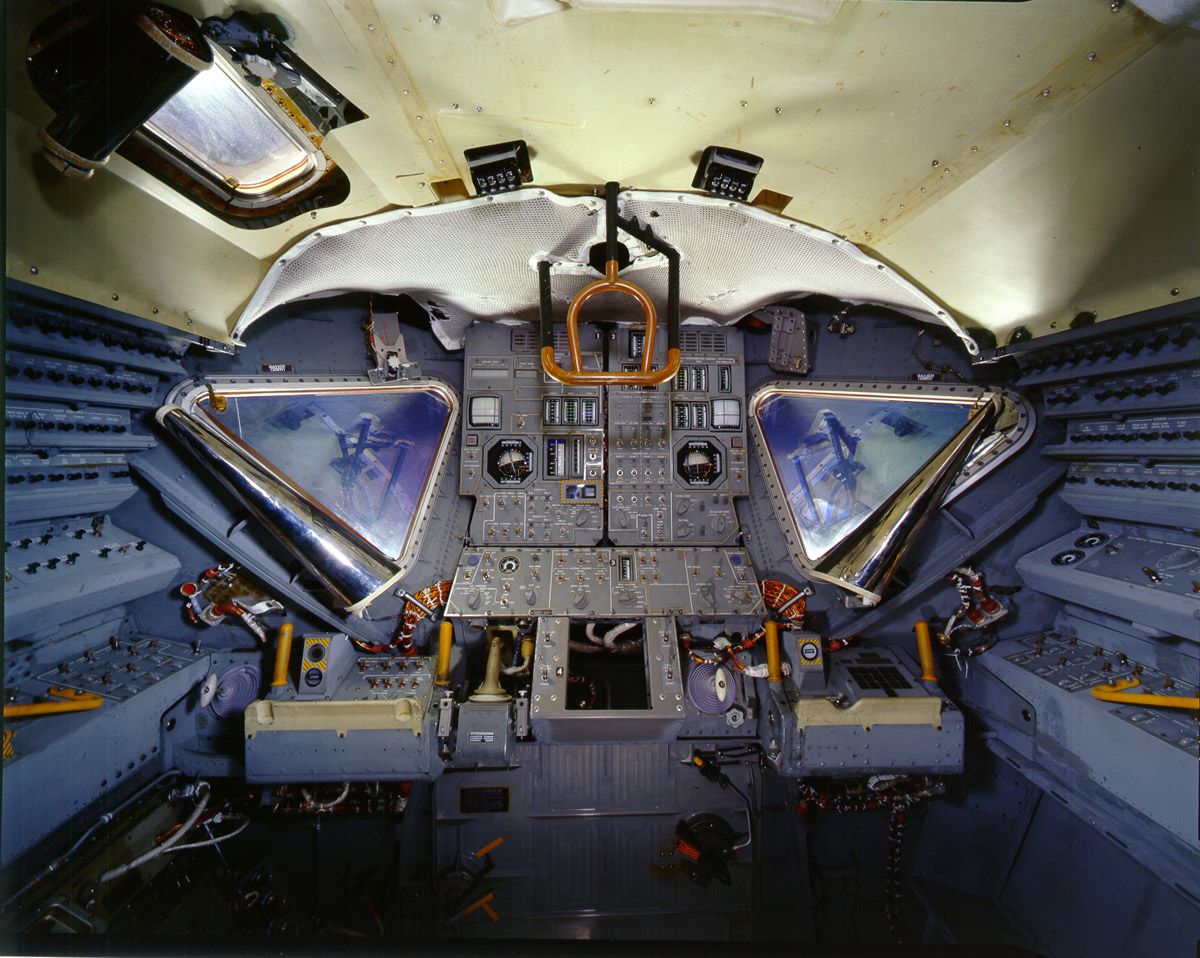
The errors reported meant the computer was running out of processing capacity (reportedly because Aldrin had decided to leave the docking radar on) and scheduling new radar jobs before the previous ones had finished. The computer finally switched to fail-safe mode (rebooting and chucking away low priority jobs) which saved the mission.
This was 50 years ago and we now have the tools (scheduling, partitioning, WCET, ...) to avoid this kind of problem and many more. But it's always good to have a fail-safe for the ones we don't yet know about … just in case.
DO-178C webinars

White papers
Mitigation of interference in multicore processors for A(M)C 20-193

Developing DO-178C and ED-12C-certifiable multicore software
Efficient Verification Through the DO-178C Life Cycle

A Commercial Solution for Safety-Critical Multicore Timing Analysis